Perspectiva de un Miembro de la Comunidad
Participante en la simulación de reentrada comparte su experiencia reveladora

Revisas tu lista de tareas del día y ya sientes que vas con retraso. Necesitas tramitar una identificación, acudir a una cita médica, recoger tus medicamentos recetados y consultar una oferta de empleo urgente. El autobús llega tarde. La fila en la oficina de tránsito es larga. La falta de un documento te obliga a retirarte del mostrador con la instrucción de regresar mañana. Sin tu identificación, no puedes recoger los medicamentos que necesitas. Para entonces, ya has perdido tu cita médica, has dejado escapar una oportunidad laboral y te has quedado un paso más atrás.
En la Simulación de Reingreso de Trillium, momentos como estos se suceden con gran rapidez. Los participantes asumen el papel de una persona que regresa a la comunidad tras haber salido de prisión. Lo que comienza como un ejercicio de juego de roles revela rápidamente una verdad más profunda: la reinserción no se trata únicamente de responsabilidad personal; se trata también de navegar por sistemas que, a menudo, resultan fragmentados e implacables.
Según la National Alliance on Mental Health (NAMI), dos de cada cinco personas que se encuentran en prisiones o cárceles tienen antecedentes de enfermedades mentales. Si a esto se suman barreras como el transporte, la escasez de oportunidades laborales y la vivienda, los participantes se dan cuenta rápidamente de lo difícil que resulta alcanzar la estabilidad y el éxito.
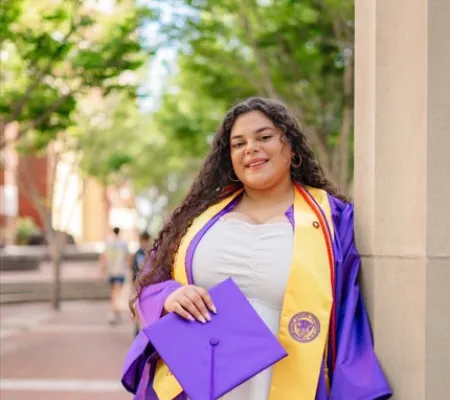
Le dimos seguimiento a Hailey Spellman, participante en una simulación de reingreso, para conocer un poco más sobre ella y su experiencia. Hailey es estudiante de la Maestría en Trabajo Social en East Carolina University. Se graduará en mayo de 2026 y planea desarrollar su carrera profesional en el sector del reingreso o dentro de entornos correccionales. Su objetivo profesional es promover una reintegración exitosa, ayudando a las personas a acceder a oportunidades de estabilidad, crecimiento y segundas oportunidades significativas.
Cuéntanos un poco sobre ti.
Pregunta: ¿Cómo surgió su interés en una carrera en trabajo social?
Respuesta:
Siendo todavía una niña, fui adoptada, lo que más tarde se convirtió en una verdadera pasión por el trabajo social. Me siento realizada cuando ayudo a personas que se sienten perdidas, confundidas sobre su vida o que están empezando de nuevo. Siempre he querido apoyar a quienes sienten que no tienen a nadie que los apoye.
Cuando ingresé a la universidad, mi intención inicial era estudiar enfermería. Después de un año de estudio, me di cuenta de que, si bien atender las necesidades físicas de las personas es importante, mi deseo era mejorar la calidad de vida fuera del hospital y más allá de la salud física. Esa reflexión me llevó al trabajo social.
Cuando ingresé al programa de trabajo social, mi objetivo inicial era trabajar en la adopción y la crianza temporal. Tenía experiencia personal en ambos ámbitos y pensé que podría aprovecharla en mi trabajo. Eso cambió después de que una de mis clases participó en la simulación de reingreso de Trillium en ECU. Tras esa simulación de tres horas, supe que quería enfocarme en trabajar con personas con antecedentes penales en su proceso de reintegración a la sociedad. y su comunidad.
Pregunta: ¿Qué sentimientos tuviste durante la simulación y cómo cambiaron?
Respuesta:
Aproximadamente quince minutos después de comenzar la simulación, me di cuenta de que estaba completamente equivocada en todas las maneras. Me sentí abrumada, frustrada y con las emociones encontradas. Hubo momentos en los que quise llorar, gritar o simplemente rendirme.
Durante una tarea de simulación, necesitaba ir a la casa de empeños a vender mi guitarra para tener suficiente dinero para comprar dos boletos de autobús. Necesitaba un boleto para ir a pagar el alquiler y otro para ir a mi prueba de drogas. Al bajar del autobús, vi que la casa de empeños había cerrado antes de la hora prevista. Había contado con esta oportunidad y ya había gastado mis escasos fondos en el transporte. Ahora me había quedado sin dinero para la prueba de drogas. No tenía dinero para pagar el alquiler. Y ahora, estaba sin posibilidad de transporte.
Al oír la palabra "simulación", uno asume que no se sentirá real, pero esta experiencia fue diferente. Al cabo de tres horas, no solo comprendí mejor el proceso de reingreso, sino que también sentí mucha más compasión por las personas que lo viven a diario.
Pregunta: ¿Qué despertó su interés en asistir al evento de simulación de reentrada de Trillium?
Respuesta:
En ese momento, sinceramente creía que comprendía lo que la gente enfrentaba cuando era tiempo de reingresar a la sociedad después de salir de prisión. Fui criada con una mentalidad independiente, así que entré en la simulación pensando que sería sencillo: seguir las reglas, ir adonde tenía que ir y hacer lo que tenía que hacer. Si seguía las instrucciones y completaba mis tareas, ¿qué podía salir mal?
Pregunta: ¿Qué fue lo que más te sorprendió de la experiencia?
Respuesta:
Lo que más me sorprendió fue la rapidez con la que todo se volvió abrumador; lo difícil que era seguir el ritmo. Incluso tareas sencillas que la mayoría de la gente realiza sin pensarlo dos veces. Ir al departamento de vehículos motorizados o hacer la compra de repente se convirtió en algo estresante y confuso.
Había tantas reglas, límites de tiempo y obstáculos que era imposible respirar. Me demostró lo rápido que uno puede quedarse atrás, incluso cuando se esfuerza por hacer todo correctamente.
Pregunta: ¿Qué momento de la simulación te impactó especialmente?
Respuesta:
El momento que me impactó especialmente fue una conversación con otros participantes en la que alguien comentó que ahora entendía por qué la gente podría robar o correr riesgos solo para conseguir lo que necesita. Habían llegado a un punto en el que sentían que todas las puertas estaban cerradas.
Escucharlo en voz alta hizo que la experiencia se sintiera aún más real. Me ayudó a comprender cómo la desesperación puede surgir al chocar constantemente contra un muro tras otro.
Pregunta: ¿Cómo te ha afectado la simulación?
Respuesta:
Esta simulación me impactó profundamente tanto a nivel personal como profesional. Siempre me he involucrado en ayudar a mi comunidad y aportar mi granito de arena. Hasta que uno no se pone realmente en el lugar del otro, no comprende del todo los obstáculos que enfrentan para sobrevivir día a día.
Profesionalmente, confirmó mi interés en trabajar con personas en proceso de reingreso social. La simulación me recordó la importancia de la paciencia, la empatía y el acceso a los recursos cuando te encuentras en uno de tus peores momentos.
Pregunta: ¿Qué le dirías a alguien interesado en participar en una simulación futura?
Respuesta:
Independientemente de la carrera o profesión que elijas, creo firmemente que todos deberían participar en esta simulación. Te abre los ojos a los desafíos que muchas personas enfrentan a diario, pero que a menudo pasan desapercibidos.
Esta experiencia te impulsa a pensar de forma diferente, a ser más comprensivo y a liderar con compasión. Te llevas una nueva perspectiva que te acompañará mucho después de que termine la simulación.
Otras Simulationes
Además de la Simulación de Reingreso, Trillium organiza eventos de simulación para la primera infancia y situaciones posteriores a desastres. Regístrese para uno de nuestros próximos eventos o consulte nuestra página de Eventos y Capacitación para conocer las próximas oportunidades de capacitación en su comunidad.