Compassion in Times of Crisis

For someone in the middle of a behavioral health or substance use crisis, the person who arrives first can make a lasting difference.
For more than 10 years, Trillium Health Resources has been offering Crisis Intervention Team (CIT) training to law enforcement officers, first responders and telecommunicator dispatchers. In that time, 4,446 people have completed training in more than 340 sessions. CIT training helps first responders recognize when someone may be experiencing a behavioral health crisis and may need treatment, support, or connection to resources rather than incarceration.
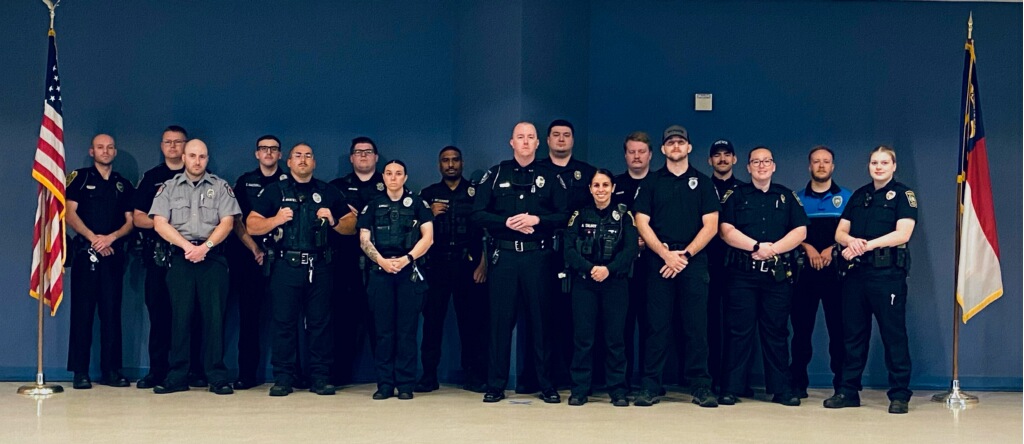
About 20 percent of police calls involve someone experiencing a mental health crisis. In many cases, the person may not be trying to commit a crime. They may be struggling because they cannot access the care, treatment, housing or other support they need. Sometimes, what they need most is someone willing to slow down, listen and help them find a way forward. That might mean connecting someone with a long-term recovery program such as The Healing Place or a sober-living residence such as Oxford House.
Our CIT Training staff are out in the field each month, working with agencies who want to develop the skills to have meaningful interactions with people in a crisis situation. At the end of training, attendees often talk about how they plan to use what they learned in the field. But occasionally, we get to hear what happens when those lessons move from the classroom into real life. It’s one thing to hear about how CIT works in the classroom or watch a simulated interaction. Actually approaching a person in distress, having that direct connection to listen to what is going on, and empowering them to locate the help they need is a completely different experience.
A special thank you to Deputy Jeffrey Thomas in Pender County who shared his recent experience with us. Please note: some names have been redacted and other areas edited for readability.
After completing CIT training, Deputy Thomas responded to a call about a man wandering around downtown Burgaw who was looking for a ride to Coastal Horizons in Rocky Point, NC.
Deputy Thomas picked him up and began the drive. During their conversation, he learned the man was actually trying to get to The Healing Place in Wilmington and thought that Coastal Horizons would be able to get him there. Rather than simply dropping him off where he had originally requested to go, Deputy Thomas took the time to understand what he really needed.
The man had recently been incarcerated for more than a year. He told Deputy Thomas that he had not used drugs but was still battling thoughts of addiction. He needed immediate help with basic needs including shelter, clothing and food but he also wanted something more: long-term support to find a job and stay sober.
Deputy Thomas recognized that the man was not simply looking for a ride. He was looking for a way to change his life.
Remembering what he had learned through CIT training, Deputy Thomas pulled over and helped connect him with Oxford House, a sober-living community that could provide longer-term support.
The man still wanted to go to The Healing Place for its immediate resources, but he also wanted to pursue a place at Oxford House. Deputy Thomas made sure he had the right contact information and knew how to reach him if he needed additional help.
Later that evening, Deputy Thomas learned that the man had been accepted into Oxford House. To his knowledge, he is still there and staying sober.
"Patrol officers see the darkest moments of humanity,” Deputy Thomas said. “This can cause us to ... not see the want to change in the person we deal with.”
His experience reminded him that even when someone is struggling, there can still be a desire to do something different. “Seeing places like The Healing Place is refreshing because it highlights that people deep down want to change their circumstances,” he said. “It has also given me more resources or ‘tools’ in my belt to work with.”
I think there are two important takeaways for law enforcement to learn from CIT. Choose to recognize people who want to change their life. Be the link for those people to change their life and connect them with resources.
-- Deputy Jeffrey Thomas
That is the difference CIT training can make. It is one thing to learn about behavioral health conditions in a classroom or practice a simulated interaction. It is another to sit beside someone who is struggling, listen to what they are saying, recognize the person behind the crisis and help them find the next step. CIT does more than give first responders a list of resources. It helps them see the person who needs those resources.
In Pender County, one CIT-trained officer had the opportunity to put those lessons into practice. And for one man, that connection may have helped turn a difficult moment into the beginning of something different.