North Carolina Summers: Beautiful Days, Dangerous Storms

Preparing Today for Tomorrow's Storms

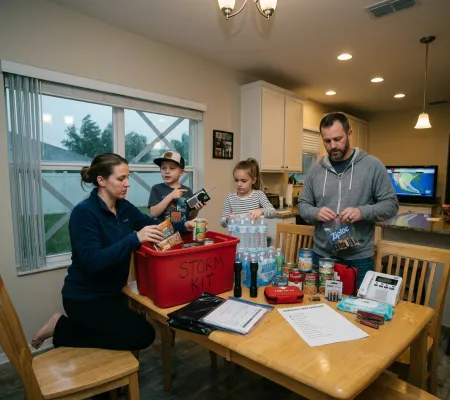
A family preparing a prepareness kit for Storm

Preparing Today for Tomorrow's Storms

Summer in North Carolina brings sunshine and fun, but it also brings severe weather. The Atlantic hurricane season runs from June 1 through November 30, and strong summer thunderstorms can happen at any time. 

These storms can cause flooding, fallen trees, power outages, and road closures. That means it could be harder for people to get medical care, medications, food, and other important services. This can be very difficult for people who have mental health conditions, substance use disorders, intellectual and developmental disabilities (I/DD), traumatic brain injuries (TBI), or other complex health needs. That's why planning ahead matters.

Practicing Before the Storm

Trillium Health Resources helps communities prepare through Post-Disaster Simulation exercises. These events bring together emergency managers, healthcare providers, first responders, community groups, residents, and other partners. They practice working together before a real disaster happens so they can respond faster when our communities need us most.

What is a Post-Disaster Simulation

Post Disaster training participant

A Post-Disaster Simulation is more than a training class. It is a hands-on exercise where people work through real-life disaster situations as a team.

During the exercises, people may lose power. Roads may flood. Phone and internet service may stop working. They may have trouble getting medicine, food, or medical care. Together, they solve problems, share information, find resources, and make important decisions—just like they would during a real emergency.

One person who understands why this practice matters is Robin Harris. She lost her home in Perquimans County during Hurricane Isabel in 2003. Robin is now the Dean of Health Sciences at the College of Albemarle and recently took part in one of Trillium’s simulations. Because she has lived through a major storm and teaches future healthcare workers, she said the exercise felt very real.

"It really reinforced the idea that your life can totally change in a day," Robin said. She explained that the simulations and real-life disasters remind people that "even little things become a big deal," like getting food, water, medicine, and other basic needs.

Working Together Makes a Difference

No one organization can respond to a disaster alone. Emergency workers, healthcare providers, and community organizations all play an important role. Practicing together before an emergency helps build relationships, improves communication, and speeds up the response when a storm hits.

Robin said the simulation brought back memories of her own experience and reminded her why it is so important to be prepared. She also knows how much people depend on others like emergency responders, nonprofit agencies, and community partners when their lives have been turned upside down.

"Those resources in the community and how much they are needed—that can't be understated," Robin said.

Lessons That Last
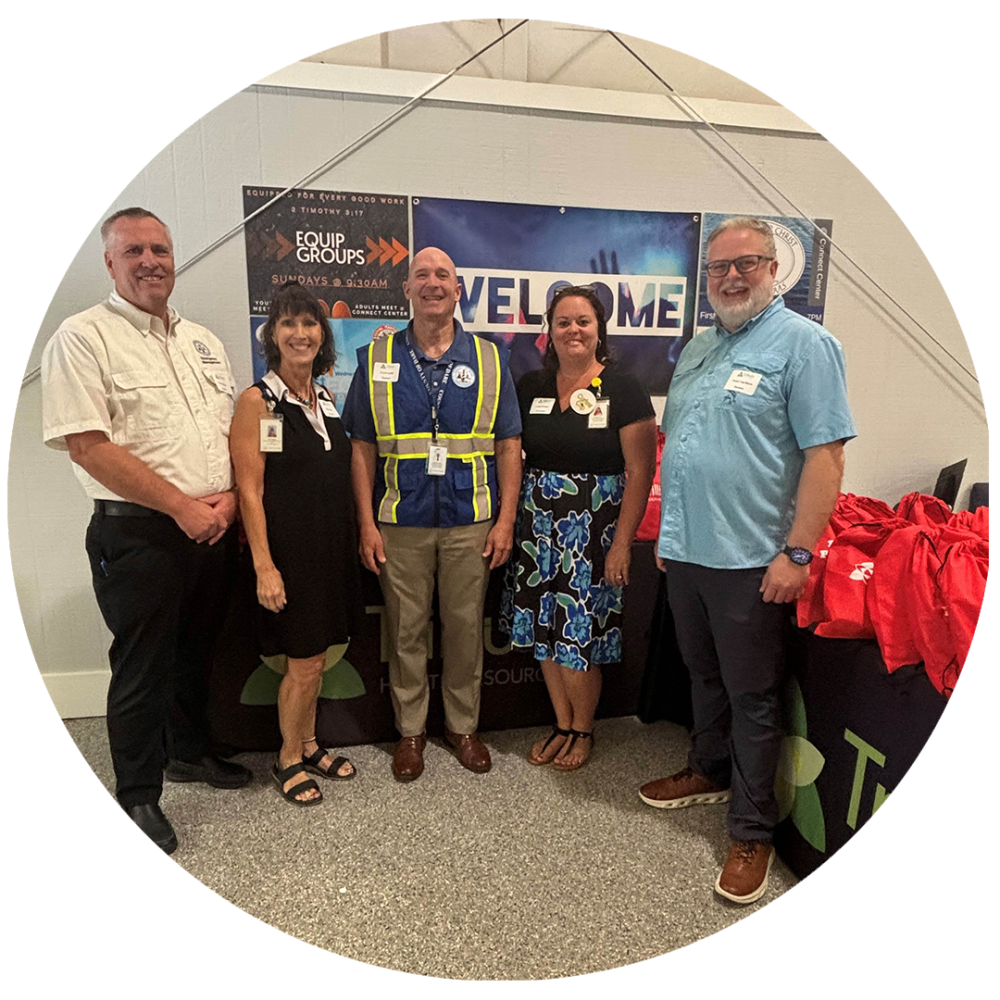
The benefits of these exercises continue long after they end. Participants leave better prepared with new ideas they can put into action. They also gain a better understanding of how to help others prepare for emergencies.

That is especially important for the people who are served by Trillium. Changes in routine, missed medications, or interrupted services can make an already stressful situation even harder. Having a plan can help people stay safer and feel more secure during an emergency.
Robin said she is thankful for the help she received many years ago. She hopes more organizations will take part in Post-Disaster Simulations because she knows how much preparation matters. She also shared a message for the community organizations that work to help people before, during, and after a disaster.

“You are making a difference to somebody whose life has been really turned upside down,” Robin said. “For those who are already vulnerable, disasters are a tremendous amount of stress. It's just overwhelming. Those community organizations and agencies release a tremendous burden to help people get what they need."

Questions about Post-Disaster Simulations can be sent to TrainingUnit@TrilliumNC.org.
Join Us for a Post-Disaster Simulation

Trillium will host its next Post-Disaster Simulation on September 30, 2026, in Lee County. The event is free and open to the public. ASL interpreters are available for individuals who are deaf or hard of hearing.

Map of the Counties Trillium serve divided by regions and the Phrase Roadmap 2 Ready

Roadmap 2 Ready 

In addition to hosting Post-Disaster Simulations, Trillium is also helping our members prepare before a storm happens. The Trillium Roadmap 2 Ready program offers simple tips and tools to help you and your family stay safe. It can help you:

  • Build an emergency kit.
  • Make an emergency communication plan.
  • Keep extra medications and medical supplies on hand.
  • Prepare to evacuate or shelter in place.
  • Plan for people who need extra support during an emergency.
  • Stay connected to important services if power or communication is lost.

Roadmap 2 Ready also has helpful resources for providers so they can better support Trillium members.

Ready Today, Stronger Tomorrow

Getting ready for a storm starts before bad weather is on the way. Trillium is committed to helping members, providers, and communities. Through Post-Disaster Simulations and Roadmap 2 Ready, we offer tools, information, and support so you can stay safe, stay connected, and recover more quickly after a storm.

Resources and Tips