- Follow step-by-step prompts for daily routines
- Receive reminders for medications or chores
- Check in with support when needed
Beyond Access
How Technology Is Reshaping Support through Digital Access and Inclusion


Think of your typical morning. Your phone’s second snooze alarm goes off. Before you even get out of bed, you glance at your notifications and check your calendar for the day ahead. In the kitchen, you ask a smart speaker for the weather while the coffee brews. You text a friend happy birthday, check in for a doctor’s appointment through a patient portal, and look over traffic before heading out the door. Technology is the silent copilot of daily life. It keeps us organized, supports our health, connects us with each other, and helps us move through the day.
Now imagine navigating that same morning without it. For many individuals with serious behavioral health conditions, Intellectual and Developmental Disabilities (IDD) and Traumatic Brain Injury (TBI) diagnoses, this is part of everyday life. As technology continues to shape how we live and connect, not everyone is included in that progress. With the right tools and support, however, digital access can become a powerful way to provide of, autonomy, safety, independence, better health, and social connection.
For some Trillium members, that gap is already beginning to close. A morning once shaped by caregivers and support staff is now reinforced with tools like Trillium Ultimate Living Assistant (TULA), extending support throughout the day. With the right tools, members are finding new ways to take charge with more choice, consistency, and security.
What Digital Literacy Looks Like in Everyday Life
Digital literacy goes beyond interacting with your computer or the internet. The North Carolina Department of Information Technology defines digital literacy as “the ability to use information and communication technologies to find, evaluate, create and communicate information, requiring both cognitive and technical skills.” In everyday life, digital literacy can help people:


- Stay connected to the people who help you live safely and independently
- Engage with physical exercise instructions or self-care and self-soothing apps
The Pew Research Center reports that 62 percent of adults with a disability say they own a desktop or laptop computer. That compares to 81 percent of those without a disability. When it comes to using the internet, people with disabilities are three times more likely to never go online.
There is often a misconception that technology is out of reach for individuals with I/DD. The challenge is not ability. It is access, product design, and support. When adaptive technology works with people with I/DD and their caregivers in mind, as it has in over 600 homes and growing in Trillium’s area with TULA, we forge a path to stronger care and improved health.
Where Support and Technology Come Together
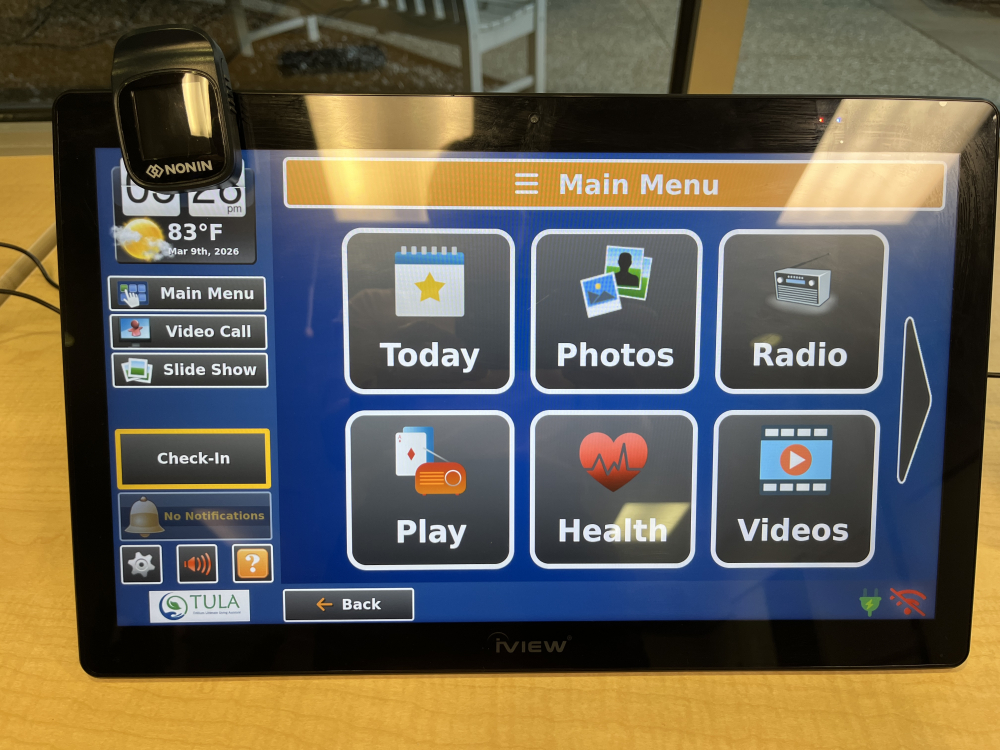
April marked two years since TULA’s launch in 2024. TULA combines personalized in-home technology with remote support, helping members take the driver’s seat in their own lives. Each setup is tailored to the individual, offering reminders, step-by-step prompts, and guidance aligned with their routines and goals.
Each TULA is supported by a dedicated team that builds a personalized plan based on a member’s needs, preferences, and goals. At installation, deployment specialists provide hands-on orientation, while remote agents remain part of the care team for ongoing support.
Using their TULA, users can:
- Call or text family members and care teams
- Track chronic conditions such as diabetes or high blood pressure
- Receive safety alerts tied to changes in the home environment
- Watch personalized videos or visual guides to reinforce learning and independence
- Use calming tools or self-care supports to manage stress .
A recent survey reported just how much TULA has become part of daily life. More than 93 percent of respondents said they would recommend it to others, and over 80 percent report using their TULA every day. On average, members interact with their TULA more than 50 times a day. That added up to nearly 350,000 interactions in 2025 alone. About half of those moments supported daily living skills, like taking medications or completing everyday tasks. Another 39 percent of device uses involved engagement, with members exploring interests, making choices, and staying connected to activities they enjoy.
TULA also makes our systems work better for everyone. TULA has been associated with a 29 percent decrease in emergency department visits among members in its first two years. That means more than 550 emergency department visits were avoided. Members got the care they needed from home instead of worrying about the travel, time, stress, and cost of an emergency room visit. Those cost savings came in just under one million dollars.
The best part? TULA continues to evolve and better serve members. One example is ED@Home, a 24/7 telehealth service that brings real-time access to specialized physicians directly into the home. In partnership with StationMD, Intermediate Care Facilities (ICFs) are piloting the program in select counties, allowing individuals to receive and resolve urgent care needs without leaving home.
TULA will never replace a quality care team or support staff. Their direct support and in-person relationships are the foundation for safety, health, and growth for the estimated 200,000 North Carolinians with I/DD. Yet with Trillium’s Tailored Care Management, TULA is part of a broader, coordinated approach to care. Remote support works alongside care managers, helping extend support beyond traditional touchpoints. Care and connection are always within reach.
From Gaps to Guidance
Now imagine a morning for a Trillium member with TULA. A reminder appears to take medication to help manage seizures or digestive issues. A quick check-in with a care team happens without leaving home. A step-by-step guide helps move the day forward with confidence. Small moments, but they add up to something bigger.
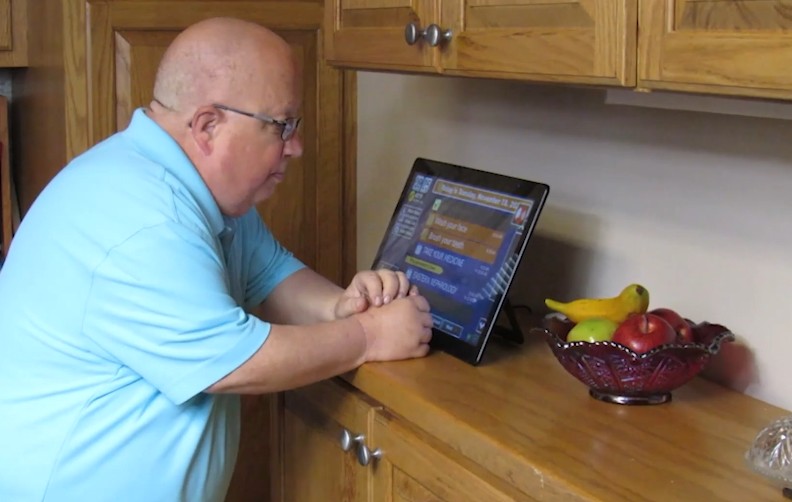 Without tools like these, support is still there. Care teams, families, and providers continue to show up every day. But too often, people with I/DD are left navigating the gaps between those moments of care. A missed medication. A delayed connection. An opportunity that becomes harder to reach.
Expanding digital literacy and access to technology is not about replacing that support. It strengthens it. It turns moments of care into continuous connection, giving members more control over their day and a clearer path forward. Because the destination is not just better support. It is a better day.
Additional Digital Support for Trillium Members
Members have access to a range of digital tools that support mental health, recovery, and caregiving. Visit the Technology for Members page for more information.

- Attend Behavior: A virtual support platform that gives caregivers real-time coaching, tools, and training to help manage behavioral challenges at home.
- Connections: An application that helps people in recovery. Connect with a community of peers, online support groups, coping tools, and peer support specialists.
- Companion: An application that supports caregivers and family members of people in recovery. Discover expert-guided resources, self-care tools, and an online community for support and empowerment.
- Somethings: A free digital mental health platform that connects young people to trained mentors for everyday support, guidance, and someone to talk to when they need it.
- Talkspace: An online therapy service that connects individuals ages 13-17 with licensed therapists through text, audio, or video for convenient, ongoing mental health support.
- TULA: If you are interested in TULA and are enrolled in Tailored Care Management, ask your care manager for more information.
Disclaimer:
This blog is for educational purposes only. Please speak to your doctor about any health concerns.