Perspective from Trillium’s Council on Health Disparities

Strengthening Quality Care & Health for All

A vegetable basket
overlay
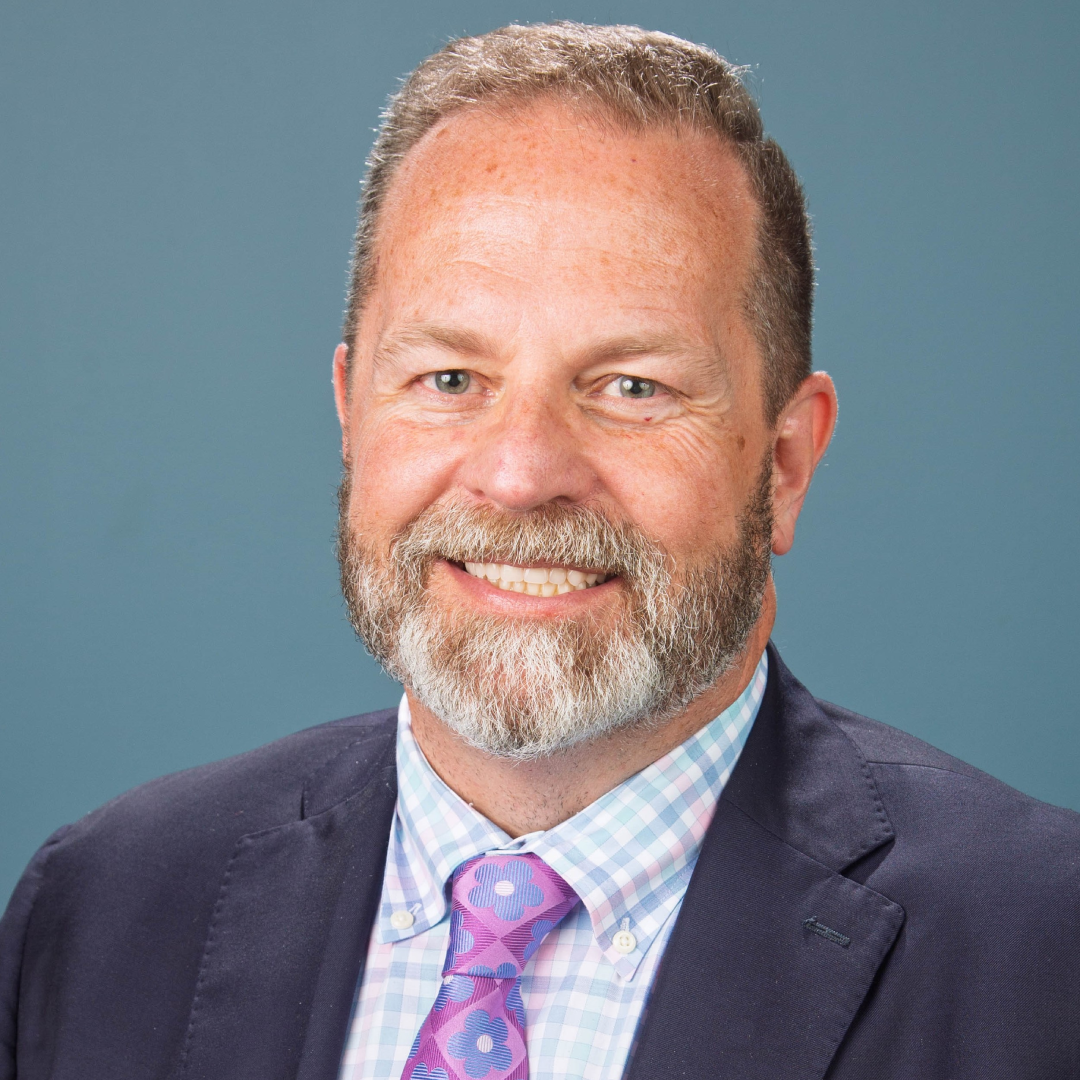
Headshot Bob Dean

Bo Dean,
Chair Trillium Council on Health Disparities

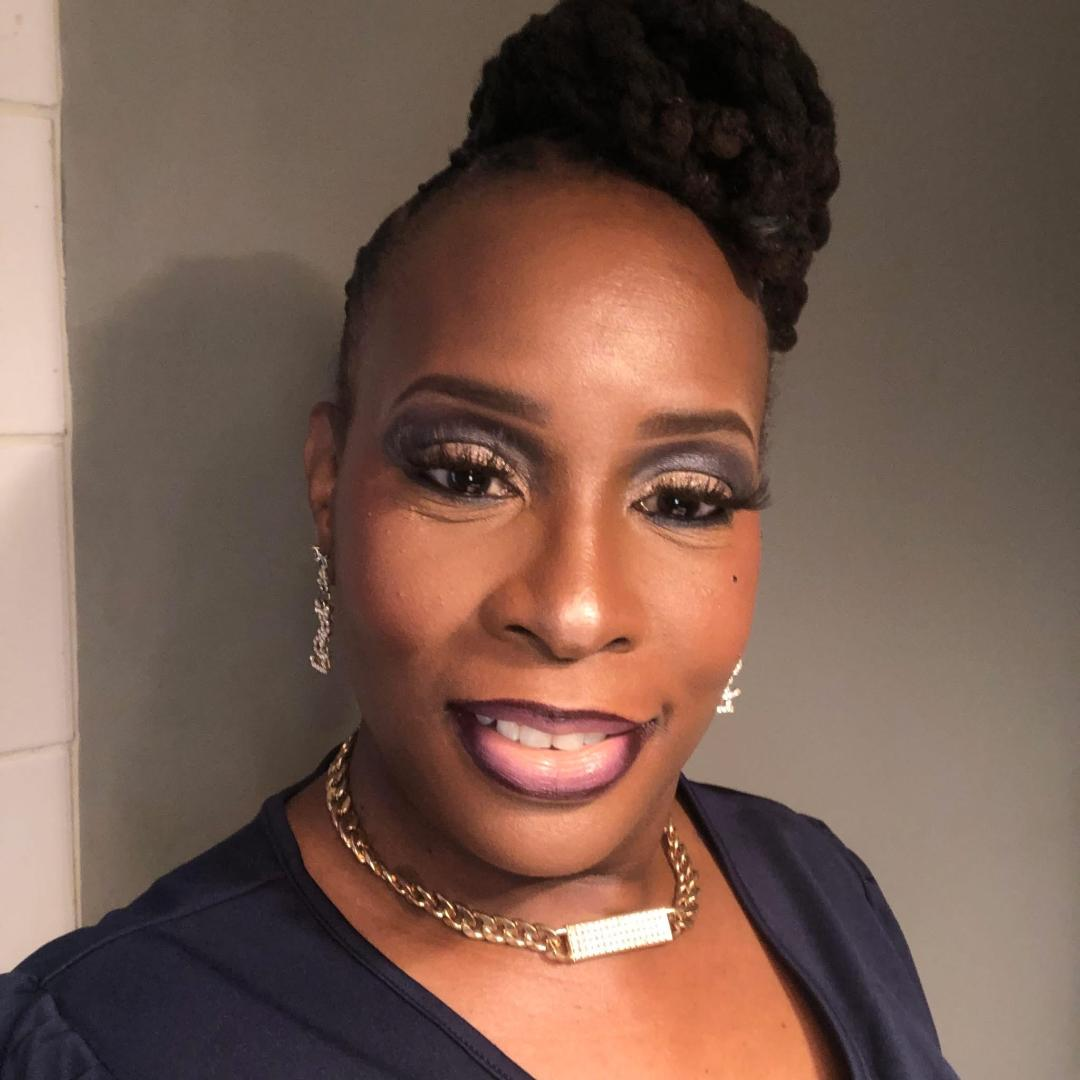
Headshot Felicia McNair

Felicia McNair, 
Vice Chair Trillium Council on Health Disparities


We are shaped by the places we live and the people who raised us. As members of Trillium’s Council on Health Disparities, community has always been our shared starting point, even though our paths to it look different.

Bo grew up in Fuquay-Varina and Chapel Hill, with deep roots in southeastern North Carolina. Service and civic life were part of everyday conversation in his family. His family was made up of farmers, educators, and civil servants. He remembers holding campaign signs for his father and learning early that service begins with showing up.

Felicia was raised in Greenville in a time when the whole community helped raise you. She remembers preparing meals and checking on neighbors with her grandmother, Naomi Best Parker. Through Naomi, she learned that care is an intentional action.

We learned from an early age that community brings out the best of us. It’s so much more than where you live. It’s showing up. It's checking on your neighbors, sharing what you have, and making sure no one is left behind.

That belief is what brought us to Trillium’s Council on Health Disparities. We serve because we want to help ensure that when someone in our communities needs care, no matter their background or circumstance, there is a hand ready to help. In this post, we’ll explore how Trillium and its Council on Health Disparities are extending that hand. 

A young woman with down syndrome together with others doing yoga

Health Disparities Impact our Communities

The same values that shape strong communities are at the heart of addressing health disparities. We look out for one another. We make sure no one is left behind. Good health is about more than medical care. We know most health outcomes are shaped by where people live, learn, work, and play.  When these elements are missing from our healthcare system, the impact is felt across families, neighborhoods, and entire communities.

Health disparities are differences in health between groups of people. Some people are healthier than others because of where they live, how much money they make, or what resources they can access. For example, some neighborhoods have safe places to exercise, good grocery stores, and nearby doctors. Other neighborhoods may not have these things. Because of this, people in different communities may get sick more often or have a harder time staying healthy.

The 2024 North Carolina Health Disparities Analysis Report details that these gaps are real, current, and measurable. Certain groups, such as rural residents, people of color, and people with disabilities, consistently face higher barriers to care and worse health outcomes than others. The report from the North Carolina Department of Health and Human Services found the following health disparities for North Carolinians:

  • Many people in rural communities have a difficult time accessing primary care due to a shortage of doctors. In 93 percent of rural counties in Trillium’s service area, there are more than 1,500 people for every primary care doctor, making it hard for people to get the care they need.
  • In North Carolina, suicide is the leading cause of death for people aged 10-24. Black youth are more likely to attempt suicide than any other race or ethnicity. Since 2015, the number of Black youth who die by suicide has tripled.
  • Overdose rates have increased in the last decade, especially for groups that have faced unfair treatment in the past. Native and American Indian communities experience twice as many deaths from overdoses compared to other groups.
  • In North Carolina, people with disabilities have worse health than people without disabilities, no matter their race. People with Disabilities are more than four times more likely to have long-term health problems like heart disease. They are also significantly more likely to skip going to the doctor because of cost.

Identifying these gaps is the first step to creating solutions. The best news? Creating solutions that increase awareness, access, and care helps everyone. Addressing systemic issues along with unmet health-related resource needs, such as food, housing, and transportation, builds stronger communities. You don’t need to look far to see the benefit. In just two years, the Healthy Opportunities Pilot (HOP) saved North Carolina $85 per participant each month in medical costs.  Participants also went to the emergency department significantly less and had fewer hospital stays. HOP achieved this by helping Medicaid members with the highest health needs get support for these health-related resources. 

That is why we believe so strongly that health and health care must be for everyone, not just for those who know where to look or how to ask. 

A group of people looking down to the camera forming a circleThe Council’s Role in Supporting Trillium’s Mission

We joined the Council on Health Disparities because we have seen the gaps. We have experienced how complex systems affect real people. Felicia’s granddaughter was born with a traumatic brain injury. Even with 20 years of experience in behavioral health, she wasn't sure where to turn to help her granddaughter get the support she would need. Bo has managed his recovery for 36 years and lived with a cognitive disability. We know the confusion, frustration, and gaps that can happen when navigating systems for your and other’s health. We’ve walked those paths too

From the beginning, the Council focused on listening. We wanted representation from Trillium's five regions so voices could move both ways, from communities to Trillium, and back again. The Council amplifies the voices of over 30 community members and stakeholders representing populations served by Trillium that may face added barriers in accessing services and supports. We include representatives from our Consumer and Family Advisory Committees (CFACs), people of color, including Black, Native American, Asian American, Hispanic and Latine individuals, veterans, LGBTQ+ people, Individuals who primarily speak Spanish, residents of rural areas, and people who have difficulty accessing resource needs, such as transportation, stable housing, or fresh and affordable food.

Through data, lived experience, and shared conversation, the Council identified its key priorities: food insecurity, safe and affordable housing, access to care for individuals facing mental health concerns and substance use disorders. Together, the Council is working with Trillium leadership and trusted community leaders to close the gaps by creating person- and community-driven solutions that are building bridges to better health outcomes for all. Even outside of our monthly meetings, our involvement has allowed us to quickly address the questions or access issues people face in our communities. 

When people get care early, communities grow safer and stronger. When families have reliable access to food and housing, stability follows. When mental health and substance use care are available, crises are prevented and lives are saved.


Interested in raising your voice? Join the Council or your local CFAC!

If you are interested in joining the Council on Health Disparities, fill out the application at the link below.

You can also look atour Regional Consumer and Family Advisory Committees (CFACs). CFACs are advisory groups devoted to enhancing care for individuals with mental health, intellectual and developmental disabilities, traumatic brain injury, and substance use disorders and their families.  

Looking Forward Together 

As members of the Council on Health Disparities, we stand in the gap. We help to be the bridge between our neighbors and the care they need. We are a group devoted to building lasting, sustainable change in our communities and in our systems. That means building awareness, trust, and innovative solutions so our neighbors can live healthy, fulfilled lives. 

Our success looks like a service being easier to access. It looks like someone’s questions or concerns are being heard. It looks like a connection that changes an outcome. This work is personal to us, but it belongs to all of us.

We will keep lifting voices. We will keep sharing what we hear. Because health and health care is for everyone.

Disclaimer:

This blog is for educational purposes only. Please speak to your doctor about any health concerns you may have.